
The importance of taking a psychological approach
Claimants involved in clinical negligence and personal injury cases have to be assessed by the court on the levels of injuries they may have suffered and the impact those injuries have had on their lives.
Significantly, it is not just about the physical harm – psychological damage arising from those injuries and the circumstances around them is just as important.
This is why TLA can provide not just surgeons assessing injuries but those with in-depth knowledge in the field of psychological trauma.
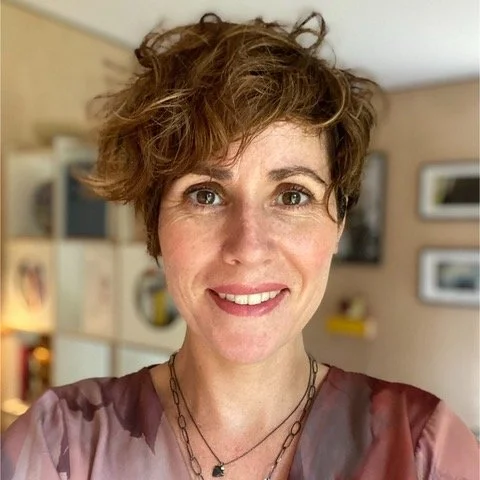
As an expert witness, Chartered Psychologist Dr Janice Smith provides an independent psychological assessment to help the court understand whether psychological injury is present, how it relates to the incident in question and what the long-term impact is likely to be.
She says: “My role involves assessing symptoms, functioning and prognosis and treatment needs. Then it is about being able to translate those clinical findings into clear opinions that assist the legal process.
“It is not about advocacy but providing a more balanced, evidence-based opinion that helps all parties involved understand the psychological aspects of the injuries sustained from the index event.
“My work primarily involves birth cases, so whether mum has died, baby has died or there have been life changing injuries as a result of birth. I also work on serious injury cases where psychological trauma or psychological injury have been sustained.”
Dr Smith has more than 15 years’ experience specialising in trauma, serious injury, and staff wellbeing. Founder and CEO of leading psychology organisation Healthy You, she heads up its Birth Trauma and Serious Injury Services division, delivering trauma-focused psychological care for individuals and families following life-changing injuries and complex birth experiences.
She says: “In expert witness assessments, we take clients straight to trauma very quickly, and I believe there's much more that we can do to begin that healing process for them, irrespective of who has instructed us, whether claimant or defence.
“We've created trauma guidelines that we really encourage clients to read before they see any reports to really just help it become a more trauma-informed process and one that does not trigger them in what can be a really difficult time in their lives.
“I work with individuals and families who are trying to make sense of those life-changing events. The focus is on how trauma, anxiety and recovery impact on their daily functioning and long-term well-being.”
Dr Smith has spent most of her career to date campaigning to improve safety in maternity, for families and staff. She is the clinical lead for the Make Birth Better campaign where she has shaped national policy, training and service design to reduce trauma in maternity and healthcare settings. It is an area which is receiving growing attention nationally.
“I think a light is being shone on maternity services in a way that it has never been before, particularly in birth trauma,” she explains.
“There is definitely a growing awareness and increase in knowledge of the condition. It's still relatively new having only been put into the National Institute for Clinical Excellence guidelines in 2014. We now have the language, training and terminology to explain what was always there.
“The real focus is the work we're doing to help shape trauma informed approaches within maternity services. And I am also involved in research projects and training in trauma informed care.”
Dr Smith has been working as an expert witness for TLA since 2022, supporting complex injury cases and typically provides up to 50 assessments a year.
“I think there is a difference with TLA because their focus is very much on high quality assessments. Being instructed by them is helpful because I know the case is being managed in a professional and efficient way - it feels more collaborative. I work with two case managers at TLA who understand psychological injury which makes the process seamless.”
As well as being an expert witness, academic researcher and clinical supervisor, Dr Smith contributes to professional standards and research in PTSD, perinatal mental health and occupational wellbeing. She is registered with the Health and Care Professions Council and a member of the British Psychological Society.
She is also an expert advisor on several national and government committees providing input into maternity along with industries including health, aviation and nuclear.
Dr Smith has an extensive research career, spanning improving access and experiences for users of maternity services and birth, as well as developing novel resources through animation, film and media. She is currently a Research Associate at Sheffield Hallam University.
Passionate about developing others to become dynamic, compassionate and diverse leaders, she is an advisor, consultant and writer on how to nourish staff, create positive working environments and cultures of psychological safety, to help workforces thrive.
She has written two influential books - Nurturing Maternity Staff: How to Tackle Trauma, Stress and Burnout to Create a Positive Working Culture in the NHS and Managing PTSD for Health and Social Care Professionals: Help for the Helpers.
Outside of her career, Dr Smith enjoys running and nature, as well as spending time with her family.
“I do fulfil stereotypical Irish traits so I'm part of a large family and enjoy spending time with them and friends. I also love cooking - I'm definitely a feeder!”
Please email Kelly Booker, Senior Case Manager at TLA kelly@tla-medicolegal.com for Dr Smith’s CV and further details.