
Getting under the skin of medicolegal work
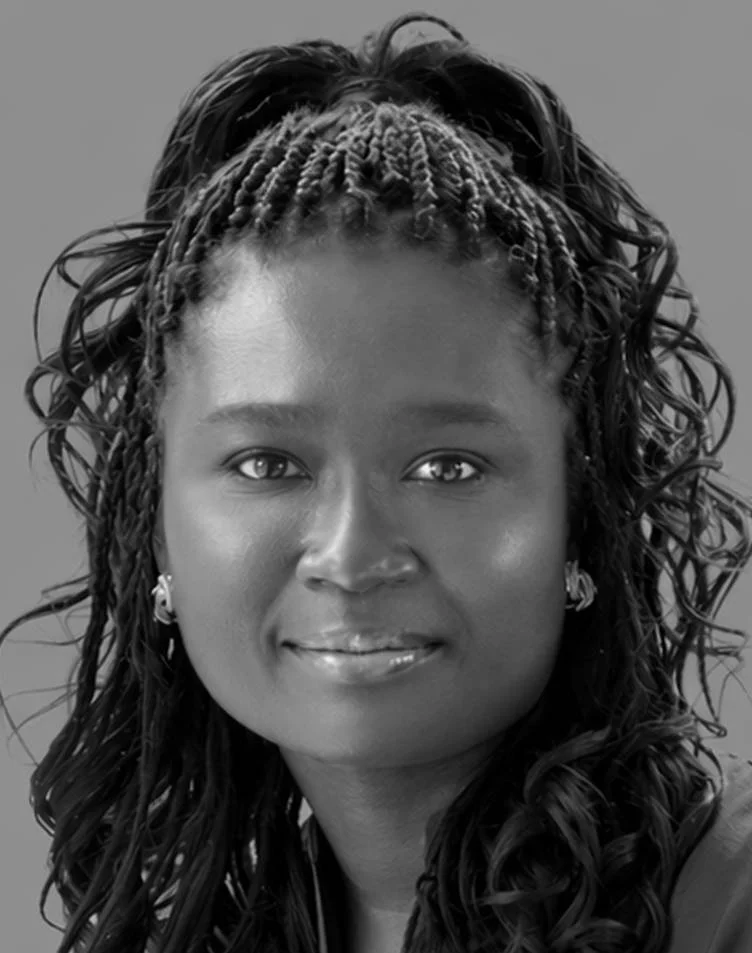
Medicolegal cases often arise from mistakes on behalf of a medical professional. One particular area involves the skin and with an increasingly phenotypically diverse population, understanding how health conditions present themselves in different skin tones is becoming increasingly important.
This is one of the many reasons why Dr Ophelia Entsir Dadzie has decided to become involved in medicolegal work, having been approached by a number of solicitors to offer her considerable expertise in particular cases.
Dr Dadzie is a consultant dermatologist at the Hillingdon Hospitals NHS Foundation Trust and a trained dermatopathologist. She holds an MSc in genomic medicine.
She says: “As a dermatologist, I diagnose and manage conditions affecting the skin, hair and nails. I have additional specialist training in examining skin and hair biopsies which provides a deeper understanding of the underlying processes causing skin disease.
“Within dermatology, I have developed a particular expertise in skin of colour, with a focus on understanding and diagnosing skin conditions across diverse skin types. This is an area that requires an appreciation of how skin diseases can present differently across different skin tones.
“My additional training in genomic medicine has further broadened my understanding of the genetic and molecular factors that can contribute to skin disease.”
Dr Dadzie chose her particular field as she particularly enjoys visual observation and analytical reasoning. “Making a diagnosis in dermatology often requires a keen eye and the ability to recognise patterns but it also requires careful clinical reasoning,” she explains.
“While some conditions may have a characteristic appearance, rarer and more complex diagnoses require the clinician to bring together multiple clues from the history, examination, investigations including where appropriate, histopathology. I find this combination of visual literacy, attention to detail and logical problem-solving particularly rewarding.”
All of these qualities are a natural fit for becoming a medicolegal expert. Having been approached by solicitors, she decided to gain a better understanding of what it takes to be an expert witness.
She recently completed the Bond Solon Report Writing For Expert Witnesses course and is also now undertaking the full Cardiff University and Bond Solon Expert Witness Training Certificate to further develop her knowledge.
“What I particularly enjoy about medicolegal work is the analytical process. It requires examining the evidence carefully, distinguishing relevant from less relevant information and applying my specialist knowledge and clinical experience to arrive at an objective and well-reasoned conclusion,” she adds.
Dr Dadzie expects most of her cases to involve pigmented lesions and missed diagnosis of malignant melanoma. She says: “There is a clinical issue around missed diagnoses of melanoma in people with darker skin. It is about understanding the nuances of how melanoma can present across different skin tones. Clinicians need to be able to recognise these differences, and this may increasingly become an area of medicolegal concern.
“For example, a specialist may request a biopsy, but the histopathologist may not identify the melanoma. The patient is then discharged, only to return later with metastatic disease.
“In such situations, responsibility may involve multiple stages of the diagnostic process. It may depend on the circumstances of the case whether concerns are raised about the histopathologist who missed the diagnosis, the clinician who made the initial assessment, or both.”
Dr Dadzie has signed up with TLA because of its strong reputation and position as a leading organisation in the medicolegal field. “I felt that having an established and independent professional organisation act as an intermediary between myself and instructing law firms would provide an appropriate and well-structured framework for developing my medicolegal practice,” she says.
“I was also attracted by the company’s professional approach and its understanding of the requirements of both instructing solicitors and expert witnesses. I felt that this would allow me to focus on applying my specialist clinical and academic expertise to provide independent, objective and well-reasoned expert opinions.”
Dr Dadzie has held academic positions as Senior Lecturer at Imperial College and Clinical Lecturer at University College, London. She regularly lectures internationally and in 2027 will co-chair a session on skin of colour dermatology at the 26th World Congress of Dermatology in Guadalajara, Mexico.
She also sits on the editorial board for the Journal of the European Academy of Dermatology and Venereology and previously sat on the Royal College of Pathologists Specialist Advisory Committee on Dermatopathology for several years.
She has been the chair of the Dermatological Lexicon Group of the British Association of Dermatologists and it was here, through a collaborative research group, that a patented new method for classifying human skin colour, the Eumelanin Human Skin Colour Scale, was developed.
This research programme is now being taken forward commercially through her own business, with a patent application filed for the resulting work.
“The work reflects the importance of ensuring medical research and healthcare are relevant to people across the full spectrum of skin tones,” she adds.
“It has important implications across medicine. For example, medical devices such as pulse oximeters need to be appropriately evaluated across diverse skin tones, medical textbooks and educational resources need to accurately represent the full range of human skin colour and treatments such as lasers require an understanding of how they perform across different skin types.
“An important feature of our approach is that a single objective measurement can be translated into several established skin colour classification systems in a low-cost workflow, making the technology easily accessible to dermatologists, skin biologists, anthropologists and other users.
“We hope this will improve consistency and comparability in clinical and research settings and contribute to more standardised approaches to the assessment of skin colour.”
Such is her groundbreaking nature, The Royal College of Physicians of Edinburgh have now done an oral history of her work.
Outside of medicine, one of Dr Dadzie’s main interests is genealogy and historical research. “I have a particular interest in tracing both sides of my family history and this has led me to spend considerable time researching historical records in the UK National Archives, Dutch archives and other historical sources, as well as collecting and preserving family documents,” she explains.
“It is essentially an exercise in following evidence, questioning assumptions and building a coherent picture from multiple sources, something that resonates with the analytical approach I value in medicine and medicolegal work.”
Please email Senior Case Manager Kelly Booker on kelly@tla-medicolegal.com for Dr Dadzie’s CV and further information.