
Taking a psychiatric approach to medicolegal practice
Expert witnesses come from a wide variety of medical fields which is necessary given the broad range and complexity of the cases involved.
As well as prominent surgeons and specialists in core disciplines, the role is particularly well suited to psychiatrists for their ability to analyse individuals and produce detailed reports covering their mental health.
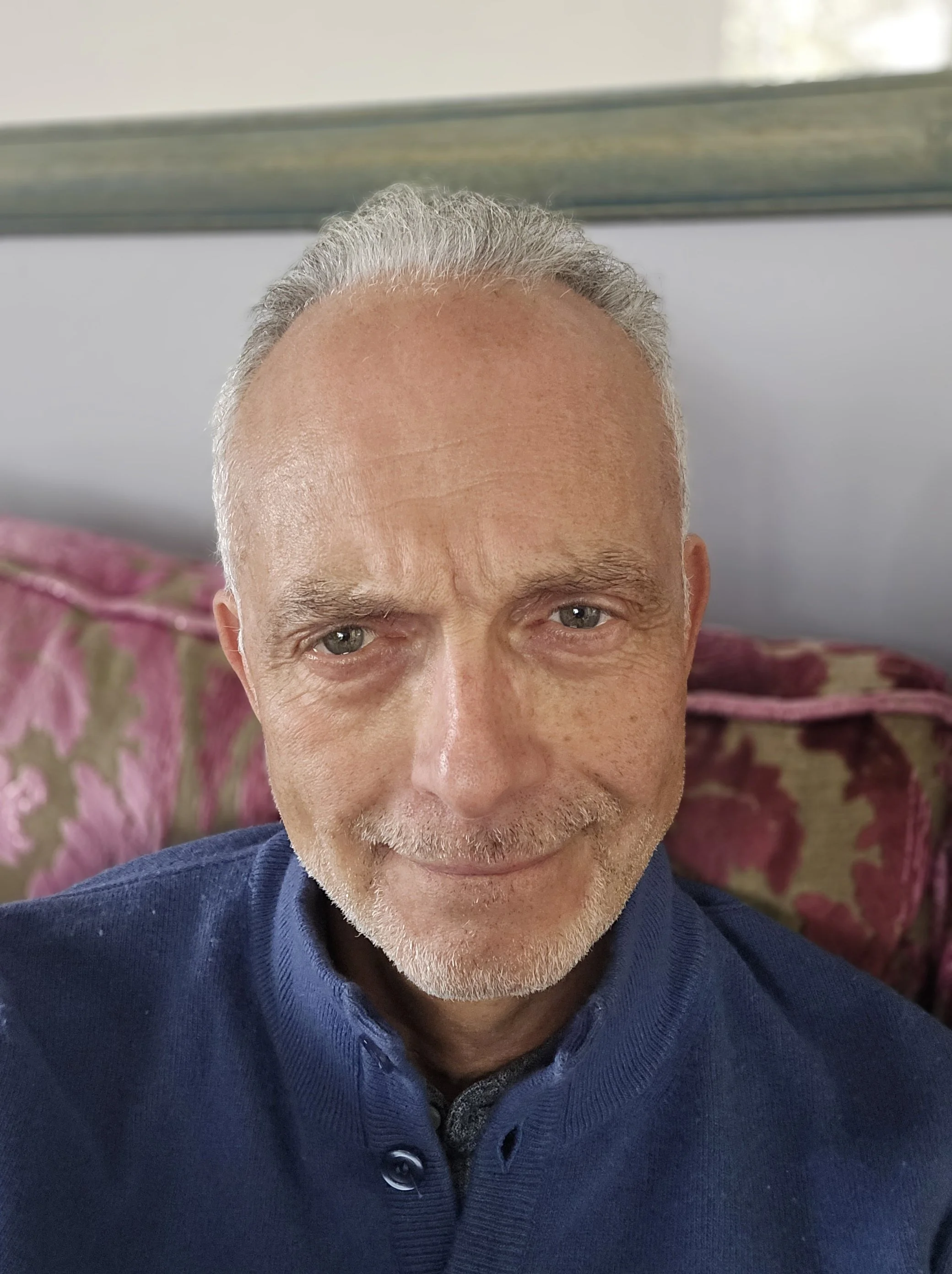
Dr Nicholas Kosky is a good example. He now specialises in medicolegal work having been a psychiatrist for more than 30 years covering clinical and academic fields in the NHS and privately, practicing in the community, prisons and a range of hospitals and secure environments.
He says: “My primary specialist area is the whole field of general adult psychiatry including mood and anxiety disorders, psychoses, trauma reactions, common addiction problems and personality and developmental disorders. I also have considerable experience working in prisons and within the criminal justice system.
“I went into psychiatry because I was given a compelling example of what it could be like when I was a medical student. The psychiatrist I was assigned to was a doctor of enormous compassion, patience, clinical knowledge and wisdom.
“Up to that point I had wanted to be a neurosurgeon but found that I lacked the physical stamina, tolerance of heat or capacity for banter that neurosurgeons seemed to have. I was lucky in my psychiatry attachment and I thought ‘that's the sort of doctor I want to be.’ He inspired me.
“Psychiatry has been a great career. People allow you into their lives in a way that doesn’t happen in other branches of medicine. You are given the chance to explore people's inner worlds and help them navigate their difficulties.”
Dr Kosky has been a medical director in two Trusts and has worked at a national level for the Royal College of Psychiatrists, the National Institute for Health and Care Excellence (NICE), the Healthcare Quality Improvement Partnership and the National Patient Safety Agency and NHS England.
In 2011, he was awarded a national clinical excellence award and made a Fellow of the Royal College of Psychiatrists. In 2018 he was appointed as a medical member to the Parole Board and the Mental Health Tribunal. Two years later he was admitted to the Social Entitlement Chamber which includes the Social Security and Child Support Tribunal, the Criminal Injuries Compensation Tribunal and the Asylum Support Tribunal and in 2021 to the War Pensions and Armed Forces Compensation Chamber.
Now he concentrates on medicolegal work, a field in which has also worked for more than 30 years, regularly acting as an expert witness, producing about 20 reports a year while also sitting in tribunals as a judicial office holder.
“I'm happy to do face-to-face appointments and prison visits and conduct online interviews. After two hours I usually build a good rapport with the individual,” he explains.
“I make notes, record, then edit the transcript with structured report templates. I will usually follow up an interview with psychometric questionnaires aimed at whatever the relevant issue is whether it's a mood disorder or post-traumatic stress condition.
“My reports are supported by references to scientific literature, diagnostic systems and relevant guidelines, for instance from NICE or other authoritative body. That way the reports are robust and resilient to challenge by opposing experts or barristers.
“I really enjoy medicolegal work. It's a great discipline and I like working with other experts when there's a joint statement to be prepared. I like the detective work nature of it - the process of gathering information, weighing it and then coming to a balanced conclusion. It is similar to the diagnostic process in clinical practice but with the advantages of having much more information to draw on. You can’t just rely on what someone's telling you.
“It has given me a much deeper understanding of legal constructs - the way courts and barristers and solicitors approach problems and the importance of saying things that you are able to defend rather than simply expressing an opinion not based on anything other than your personal experience.”
Dr Kosky’s workload is split equally between claimants and defendants and most of his cases are civil rather than criminal with occasional cases in Coroner’s Court, Court of Protection, immigration or family law.
He says: “Primarily, it's medical negligence, personal injury and psychiatric responses to trauma caused by road traffic accidents, for example.”
He has worked as a TLA expert since 2022 and is also instructed directly by solicitors, barristers and government departments.
“When I work with TLA, I'm always clear what I'm being asked to do which is unusual. Quite often, it's not clear to me what I'm actually being asked,” he adds.
“With TLA, the bundles are well prepared. The files aren't corrupted and are provided in a timely way. The case managers at TLA are unfailingly helpful and polite. They are warm and welcoming and make you feel you're part of the team and that's really important. I'm very happy to have an ongoing relationship with them. They are also reliable at paying on time and don’t expect you to wait for months.”
Away from work, Dr Kosky enjoys spending time with his wife and two adult children, one of whom is a film maker and the other runs a public relations firm in Los Angeles.
He adds: “I'm also at an age now where it's important to keep fit and active so I do a lot of exercise. I have a background in boxing and martial arts. I live in Dorset and am lucky enough to have a nice garden and a view of the sea from my bedroom window.”
Please email Kelly Booker, Senior Case Manager at TLA for Dr Kosky’s CV and further details kelly@tla-medicolegal.com