
Medicolegal work goes far beyond being an extra job for medical professionals prepared to lend their expertise as witnesses in court.
It involves having a keen interest in the law, studying cases and carrying out in-depth research to ensure the opinions they give are thoroughly grounded and stand up to scrutiny.
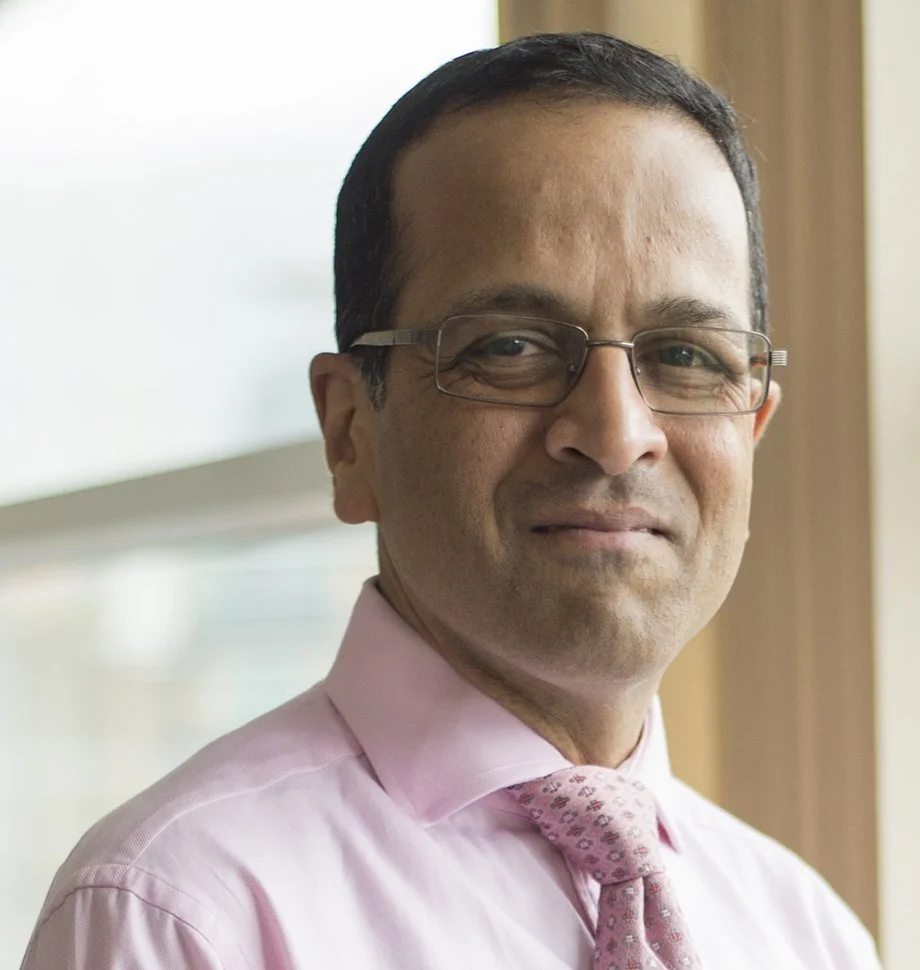
Abeezar Sarela admits he may well have been a lawyer had he not ultimately decided to enter the medical profession, eventually becoming a consultant surgeon. He found a natural bridge between the two by becoming a medicolegal expert witness.
“I chose to do it because the analytical part was very interesting and I have always had an interest in law. There is a lot of reading and writing involved which also drew me to it.”
Mr Sarela also finds that there is a significant crossover between medicolegal work and his day-to-day practice: “It benefits in a variety of ways. It keeps my thinking and approach to clinical practice very sharp because it provides constant reminders and also new instances of things that may be missed, cannot be done or may not be done properly.
“It is about how to counteract those instances, omissions or inappropriate actions. Invariably in medicolegal work when you identify doctors’ failures, these have been oversights.
“I don't think anybody intentionally sets out to do something wrong or harm a patient. It's either because they don't know something or not thought about it when should have. It serves as a prompt for that.
“Secondly, it really helps you keep up to date with advances because medical knowledge has absolutely exploded. It's very difficult to keep abreast of everything that's happening even within your own area.
“Medicolegal work can involve a lot of research, reviewing of various papers and medical evidence. Often when I'm writing a report, I'll end up reading additional material simply because it has piqued my interest and it’s a way of continuing my medical education.”
Mr Sarela has been a consultant surgeon since 2003. He graduated in Mumbai and trained in London, Leeds and New York. He specialises in surgery of the stomach and the oesophagus and treating cancer within those areas of practice.
He is based at St James’s University Hospital, Leeds and also carries out private practice at the Nuffield Health hospital in the city. His work covers weight loss (bariatric) surgery and surgery for benign diseases such as hiatus hernias, gallbladder stones and other hernias on the abdomen.
Then there is emergency work with on-call work for general surgery dealing with conditions such as appendicitis, inflammation of the gallbladder, cholecystitis, inflammation of the pancreas, pancreatitis, bowel obstruction and bowel perforation.
Mr Sarela has published more than 100 papers in medical journals and is a Senior Lecturer in Surgery at the University of Leeds. He is also a member of the Association of Upper Gastrointestinal Surgeons of Great Britain & Ireland; the British Medical Association; the Indian Association of Gastrointestinal Endoscopic Surgeons; the British Obesity and Metabolic Specialist Society and has fellowships at the Royal College of Physicians and Surgeons of Glasgow and the Royal Society of Medicine.
On the medicolegal side, he has been working with TLA since 2015 and is involved with approximately 200 cases a year. About a third are personal injury including occupation related hernias involving patients working in strenuous jobs. Then there are road traffic accidents and people who sustain various forms of abdominal trauma. The rest of his cases involve clinical negligence with the largest component being weight loss surgery. About a third of the clinical negligence work is bariatric surgery. Another 25 per cent is related to areas including gallbladder surgery, hernias and acid reflux surgery.
He finds working with TLA to be a highly beneficial experience in several ways: “TLA is a good medicolegal organisation and there are advantages of working with it instead of dealing directly with a solicitor. They are there to streamline the process ensuring there are clear instructions.
“Some (but certainly not all) solicitors do not settle bills on time - with TLA, once payment terms are agreed you know you will be paid which is a big advantage.”
Mr Sarela’s drive to ensure he is delivering the best possible service in his chosen field continues. He has been awarded the degree of PhD from the School of Law, University of Leeds. This thesis was titled: ‘The demands and boundaries of consent for medical treatment in the National Health Service’.
He is also keen to pass on his knowledge and experience to others and is on the editorial committee and membership assessment panel of the Expert Witness Institute and runs courses with it.
“Trying to be a good expert is not simply knowing your day job. It's also knowing how to do it,” he adds.
Please email Kelly Booker, Senior Case Manager at TLA for Mr Sarela’s CV and further details kelly@tla-medicolegal.com